Are pre-owned luxury watches a good investment?
A realistic look at value retention, market demand, ownership costs and the difference between collecting and investing.
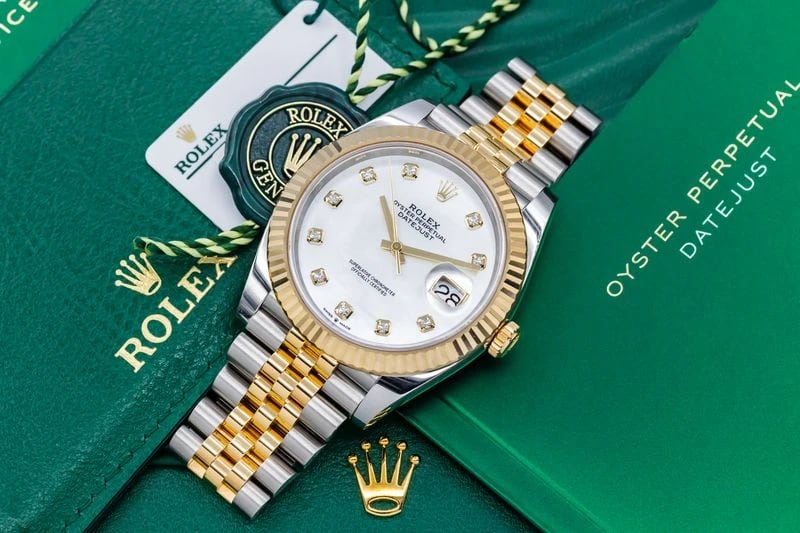
Some pre-owned watches retain value well and a small number appreciate substantially. That does not make every luxury watch a reliable investment. Prices are shaped by fashion, scarcity, brand decisions, economic conditions and the quality of each individual example—factors that are difficult to predict consistently.
A better question is whether a particular watch offers strong long-term ownership value at a sensible purchase price. This guide outlines the factors to examine before treating potential appreciation as part of the decision.
Key points
- Past price growth does not guarantee future returns.
- Reference, condition, originality and purchase price matter more than brand alone.
- Dealer spreads, servicing, insurance and selling fees reduce returns.
- The watch market is less liquid and transparent than public investments.
- Buy a watch you would be happy to own even if its price does not rise.
Start with the investment reality
A watch produces no income while it is held. Any financial return depends on selling it later for more than the total amount spent on purchase, servicing, insurance, storage and transaction fees. Headline auction records describe exceptional objects and should not be treated as the normal result for a mass-produced reference.
Market prices can rise quickly when supply is constrained and demand is strong, but they can also fall when sentiment changes. A long holding period does not remove this risk. Watches should therefore be considered collectible assets, not substitutes for a diversified financial plan.
What supports long-term value?
Demand usually concentrates around recognizable references, important design history, limited production, discontinued variants and watches with a strong collector community. Within the same model, condition, originality, dial configuration, production year and completeness can create large price differences.
The purchase price is crucial. Even an excellent watch can be a poor financial result if bought during a speculative peak or at an excessive premium. Compare actual asking prices with completed sales where available, and distinguish dealer retail prices from the amount a dealer might pay to buy the watch back.
Include every ownership cost
Mechanical watches need periodic maintenance, and complicated movements can be expensive to service. Insurance, secure storage, shipping and authentication may add further costs. Vintage watches can require specialist parts and longer repair times.
Selling also has a cost. Auction commissions, marketplace fees, dealer margins and tax consequences can create a wide gap between a published market price and the cash received by the owner. Calculate the break-even price before assuming that a modest increase represents a profit.
Understand liquidity and pricing
Two apparently similar watches may sell for different amounts because of condition, geography, seller reputation and timing. Public price guides are useful indicators, but they cannot inspect the exact watch or guarantee a buyer at that value.
Popular models may sell quickly at a competitive price; unusual or expensive references can take months. If a fast sale is required, the owner may need to accept a wholesale offer. This liquidity discount should be part of any investment calculation.
Why pre-owned can improve the value equation
Buying pre-owned may avoid part of the initial depreciation experienced by models that trade below retail after purchase. It also gives buyers access to discontinued references and a visible market history. Neither advantage guarantees appreciation, but both can make pricing easier to evaluate.
Focus on honest condition and a price supported by comparable examples. Paying more for the right watch can be wiser than choosing the cheapest listing if the latter needs major service, has altered parts or carries unclear provenance.
A responsible collecting approach
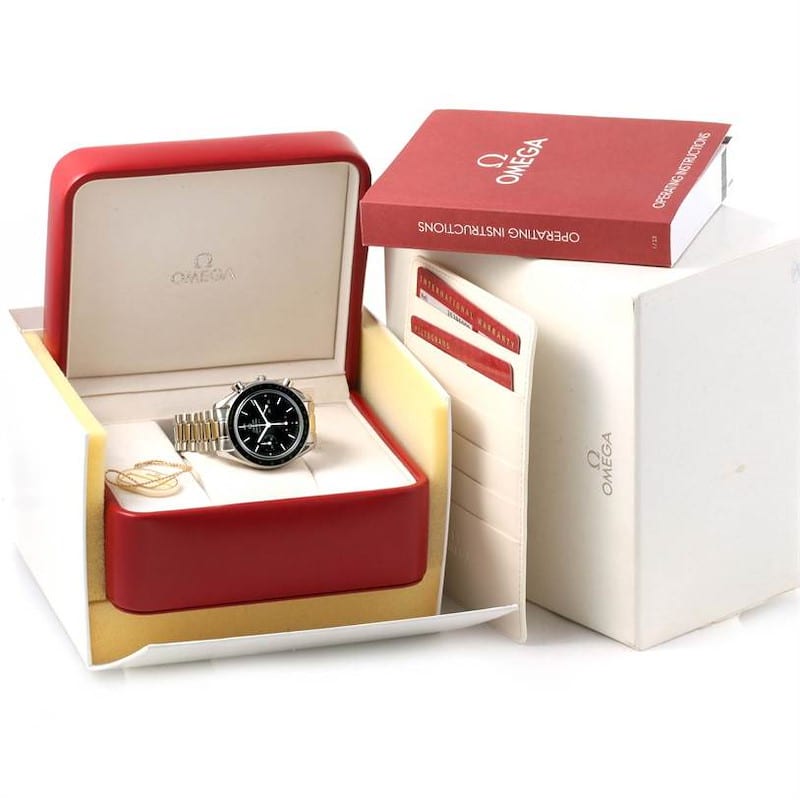
Choose a watch that fits your taste, wrist and intended use. Research the exact reference, preserve the accessories and service history, and maintain the watch without unnecessary cosmetic alteration. These habits support both enjoyment and future desirability.
Set a budget that does not depend on a quick resale and avoid borrowing based on expected price growth. If financial return is the main objective, speak with a qualified adviser about regulated and diversified alternatives before allocating money to collectible watches.
Market interest is not a return forecast
Deloitte’s Swiss Watch Industry Insights 2024 report, published in January 2025, examines the pre-owned market as a distinct part of the watch industry. It offers market context, not a valuation of an individual watch or a forecast that a reference will rise. A survey about buyer interest is not a completed-sales price index.
Create a cost ledger: purchase and delivery, expected service, insurance and eventual selling costs. Compare a realistic net sale scenario with that total. If the watch would only be affordable after an assumed price increase, it is not a comfortable collecting budget. No fixed appreciation rate or investment ranking is implied by this guide.
Sources: Deloitte
This article is general educational information, not financial, tax or investment advice. Watch values can fall as well as rise.
References and further reading
Manufacturer documentation and independent sources behind the details discussed above. Technical specifications apply to the named reference, not automatically to every watch in a collection.
Explore reference, technology and history guides by watch brand
Frequently asked questions
Which watch brands hold their value best?
Certain references from highly demanded manufacturers have historically retained value well, but performance varies widely by model, condition and purchase price. Brand name alone is not enough.
Are limited editions always good investments?
No. A limited production number only matters when genuine collector demand exists. Some regular-production watches are more liquid and desirable than heavily marketed limited editions.
Is an unworn watch always worth more?
Not always. Condition matters, but originality, rarity, documentation and market demand also affect value. Improper storage can damage an unworn watch, and many buyers prefer a correctly serviced example.
Ready to explore the collection?
Browse available watches with clear product details, condition information and secure purchasing options.