How to safely buy a pre-owned luxury watch?
A practical process for checking the seller, the watch, its history, the payment and the delivery before you commit.
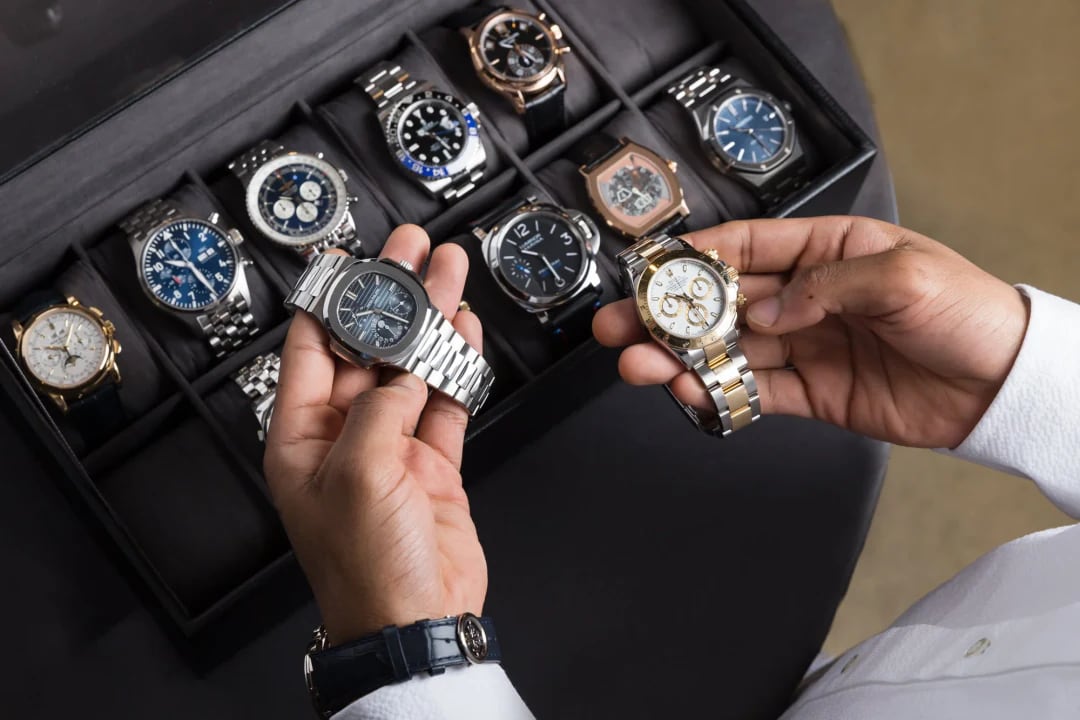
A pre-owned luxury watch can offer exceptional design, history and value, but a confident purchase depends on much more than finding an attractive price. The safest approach is a repeatable process that verifies the seller, identifies the exact watch and documents its condition before money changes hands.
This guide explains the checks that matter most. It is designed for first-time buyers as well as collectors who want a clear framework for comparing listings and avoiding preventable surprises.
Key points
- Verify the seller and the protections attached to the transaction.
- Match the reference, serial details and configuration to the listing.
- Evaluate condition, service history and originality separately.
- Use traceable payment and insured, documented delivery.
- Inspect the watch immediately during the return or review window.
Start with the seller, not the watch
A convincing product page does not replace seller due diligence. Look for a real business identity, verifiable contact details, clear terms, recent customer feedback and a history of dealing in comparable watches. A professional seller should be willing to answer specific questions and provide additional photographs without creating artificial pressure.
Read the return, authenticity and warranty terms before paying. Confirm who is responsible if the watch differs materially from the description, arrives damaged or fails an authenticity review. Marketplace protection is most useful when the payment and all communication remain inside the approved transaction process.
Confirm exactly which watch is being offered
The listing should identify the brand, model, reference number, approximate production period, movement and included accessories. Compare these details with reliable manufacturer or specialist references. Small differences in dial text, bezel, bracelet or case proportions may indicate another variant—or a component changed during service.
Ask for sharp, current images of the dial, case sides, case back, clasp, bracelet, movement where appropriate, and the identifying numbers with sensitive digits partially concealed. The purpose is to make sure the photographs belong to the watch being sold and that its configuration is internally consistent.
Separate authenticity from originality
An authentic watch can still contain later service parts, refinished surfaces or replacement accessories. Those details do not automatically make it a poor purchase, but they can affect collectability and price. Authentication asks whether the watch and its components are genuine; originality asks how closely the current watch matches its original factory configuration.
For a high-value or vintage piece, request an inspection by a qualified watchmaker or established authentication service. No single photograph, serial lookup, box or warranty card should be treated as conclusive proof on its own.
Understand condition and service history
Condition should cover more than visible scratches. Check whether the case has been polished, whether the bracelet is stretched, whether the crystal or bezel is damaged, and whether all functions operate correctly. Ask for a timekeeping report, water-resistance result and service documentation when these claims are part of the price.
A recently serviced watch can reduce near-term maintenance risk, but only if the work is documented and the service provider is credible. An undocumented claim such as “just serviced” should not carry the same weight as an itemized invoice. Budget for inspection or service when the history is unknown.
Protect the payment and delivery
Use a payment method that creates a clear record and preserves the protection promised by the seller or marketplace. Be cautious when asked to move the transaction to an unrelated channel, pay a different beneficiary or use an irreversible method without a compelling business reason.
Shipping should be fully insured for the purchase value, tracked and handed over against a signature. Confirm the claims procedure before dispatch. When the parcel arrives, document its condition and record the unboxing of especially valuable purchases in one continuous video.
Inspect promptly after delivery
Compare the delivered watch with the listing while the review or return period is open. Check the reference, visible serial details, accessories, condition and basic functions. Do not remove protective stickers, size a bracelet or wear the watch extensively until you are satisfied that it matches the agreement.
If anything is inconsistent, notify the seller in writing immediately and retain the packaging, photographs and transaction records. A calm, documented response gives both parties the best chance of resolving the issue efficiently.
Verify the actual warranty and service route
A manufacturer guarantee, a seller warranty and a documented service are different protections. Rolex states specific conditions for its new-watch guarantee, including the original sale and completed guarantee card. A resale listing does not establish that a fresh manufacturer guarantee has begun. Ask who will handle a claim and what evidence accompanies the watch.
Service support should also be checked before buying an unusual reference. Patek Philippe describes a long-term commitment to its watches, but individual work still requires assessment and an estimate. Establish the service route for the exact watch, rather than assuming every repair will be quick or inexpensive.
Sources: Rolex; Patek Philippe
References and further reading
Manufacturer documentation and independent sources behind the details discussed above. Technical specifications apply to the named reference, not automatically to every watch in a collection.
Explore reference, technology and history guides by watch brand
Frequently asked questions
Is it safe to buy a pre-owned luxury watch online?
It can be safe when the seller is verifiable, the listing is detailed, the payment is protected and the watch can be inspected within a clear return or review period.
Should every pre-owned watch come with box and papers?
No. Older watches are often sold without them. Their absence should be reflected in the evaluation and price, and authenticity must still be established from the watch itself and reliable expertise.
When should I use an independent watchmaker?
Independent inspection is especially valuable for expensive, vintage, complicated or undocumented watches, or whenever the seller cannot provide enough evidence about condition and authenticity.
Ready to explore the collection?
Browse available watches with clear product details, condition information and secure purchasing options.