Panerai / Watch journal
Panerai Luminor vs Submersible
A rotating bezel adds a timing interface and changes the silhouette. Decide whether that interaction belongs in your everyday Panerai.
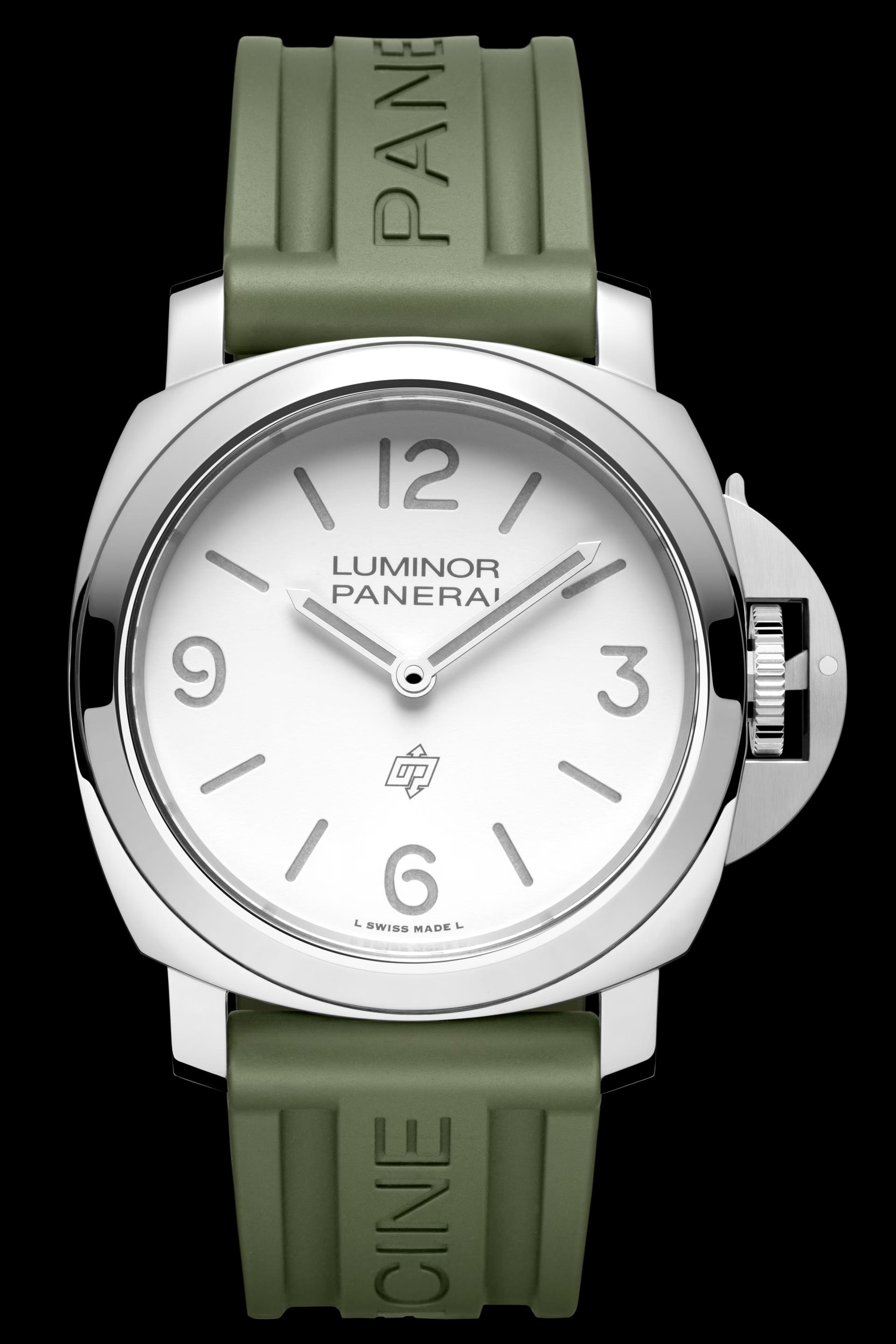
Do you need a rotating timing bezel?
The most useful starting distinction is Submersible’s rotating timing bezel versus the cleaner bezel treatment of many Luminor references. The additional timing interface changes both appearance and use. Do not infer the same water-resistance rating from a shared crown-protection shape.
Compare the specific size, material and movement, including the way the strap meets the case. Submersible and Luminor each cover more than one specification, and Luminor Due should not be treated as a default diving option. A more purposeful appearance does not establish current sealing condition.
Sources: Panerai
How this applies to Panerai
Use the PAM reference to verify size, movement and functions. Inspect strap-change screw heads, crown protection where fitted, and the included buckle. “8 Days”, “Destro” and “Marina” describe different features; none of these names alone supplies the complete reference or confirms its condition.
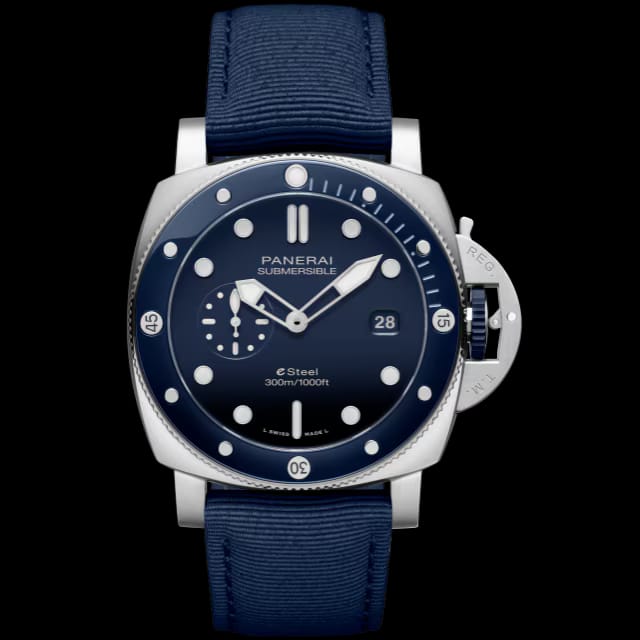
Choose between a timing tool and a quieter silhouette
A rotating timing bezel adds a visible scale and a physical control that you interact with separately from the crown. That may be useful for tracking ordinary intervals even when diving is not planned. It also changes the outline and the amount of information surrounding the dial. Compare whether you enjoy that additional interface or prefer the visual simplicity of a Luminor without it. An unused feature can still be a design preference, but it should not be confused with a practical requirement.
For a used Submersible, request a demonstration of bezel movement and a clear view of its edge and insert where applicable. For either family, examine how the crown-protection mechanism operates and ask about previous repairs. Avoid forcing unfamiliar controls, including during an inspection. If the listing’s selling point is underwater capability, require reference-level instructions and evidence relevant to present condition. The crown bridge alone cannot answer that question.
Put the information to work
If you want to use the timing bezel, ask for a demonstration and inspect its alignment and action. If you mostly wear the watch with long sleeves, compare thickness and crown-side clearance. For water exposure, follow the exact manual and arrange a current pressure assessment of a used example.
References and further reading
Manufacturer documentation and independent sources behind the details discussed above. Technical specifications apply to the named reference, not automatically to every watch in a collection.