IWC Schaffhausen / Watch journal
Which IWC Schaffhausen to Buy?
An instrument-style Pilot’s Watch, a Portugieser or an integrated Ingenieur offers a different fit and display. Compare those differences first.
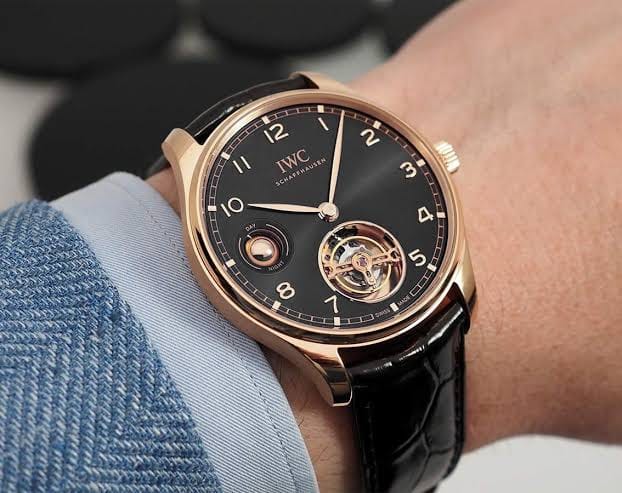
Choose for your wrist and routine
The right watch is the one whose size, functions and ownership demands suit you—not necessarily the model attracting the most attention. Start with three decisions: when you will wear it, which display you need and how much maintenance you are comfortable arranging.
Build a shortlist of three exact references, not three broad brand names. Compare diameter, thickness, length across the lugs, bracelet adjustment and readability. A date, second time zone or stopwatch should earn its place on the dial through actual use. More complications do not automatically make a better everyday watch.
How this applies to IWC Schaffhausen
Pilot’s Watches favour an instrument-like display, Portugieser offers a different dress-and-chronograph vocabulary, and Ingenieur places the bracelet-and-case relationship at the centre of many references. Consider case length and thickness alongside diameter. Two watches sharing a nominal size may fit very differently under a sleeve.
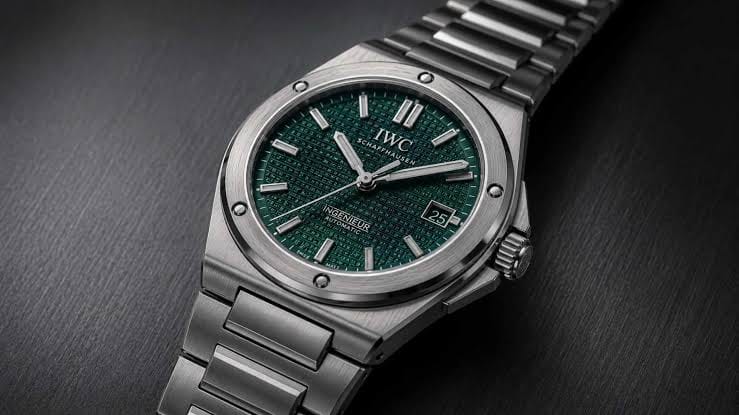
Build your IWC Schaffhausen shortlist
For an instrument-like display, compare a simple Pilot’s Watch against a Pilot’s Chronograph at normal wrist distance. For a more dress-oriented chronograph, add a Portugieser and examine how its case length sits under a sleeve. For an integrated bracelet, assess the Ingenieur’s first links and clasp position rather than only diameter. Record the IW reference for each finalist: it turns an appealing family name into a watch whose movement and dimensions can actually be compared.
Compare the watches as you would wear them
Try to compare shortlisted watches under the same conditions: similar lighting, the same camera distance and a properly adjusted strap or bracelet. A tightly cropped dial photograph and a wrist photograph are not equivalent evidence of size. If an in-person comparison is not possible, request measurements and a side view. Write down one advantage and one compromise for each finalist. This prevents a striking colour or a persuasive listing from obscuring the fit or function that motivated your search.
Once the reference is settled, compare the actual examples available rather than restarting the search by brand reputation. Confirm the condition, accessories and work that is documented, and ask what remains unknown. You should be able to explain why this particular watch suits your wrist and routine without relying on resale predictions. A clear choice is usually one whose important trade-offs you understand, not one with no trade-offs at all.
Put the information to work
Before choosing, write down your total budget including inspection, any immediate service and missing accessories. Request a wrist photograph and a complete condition description for the finalist. If the available listing does not answer an important question, clarify it rather than filling the gap with the specifications of a similar-looking model.
What to check on an individual watch
Use the IW reference to establish the exact calibre and functions. Not every automatic IWC uses the same winding system. Ask about date operation, power-reserve behaviour where indicated and a documented service assessment; a movement running when photographed does not establish its full condition.
References and further reading
Manufacturer documentation and independent sources behind the details discussed above. Technical specifications apply to the named reference, not automatically to every watch in a collection.