TAG Heuer / Watch journal
Which TAG Heuer to Buy?
Mechanical interest, quartz convenience or connected features: settle the ownership routine before choosing between TAG Heuer’s design families.
Choose for your wrist and routine
The right watch is the one whose size, functions and ownership demands suit you—not necessarily the model attracting the most attention. Start with three decisions: when you will wear it, which display you need and how much maintenance you are comfortable arranging.
Build a shortlist of three exact references, not three broad brand names. Compare diameter, thickness, length across the lugs, bracelet adjustment and readability. A date, second time zone or stopwatch should earn its place on the dial through actual use. More complications do not automatically make a better everyday watch.
How this applies to TAG Heuer
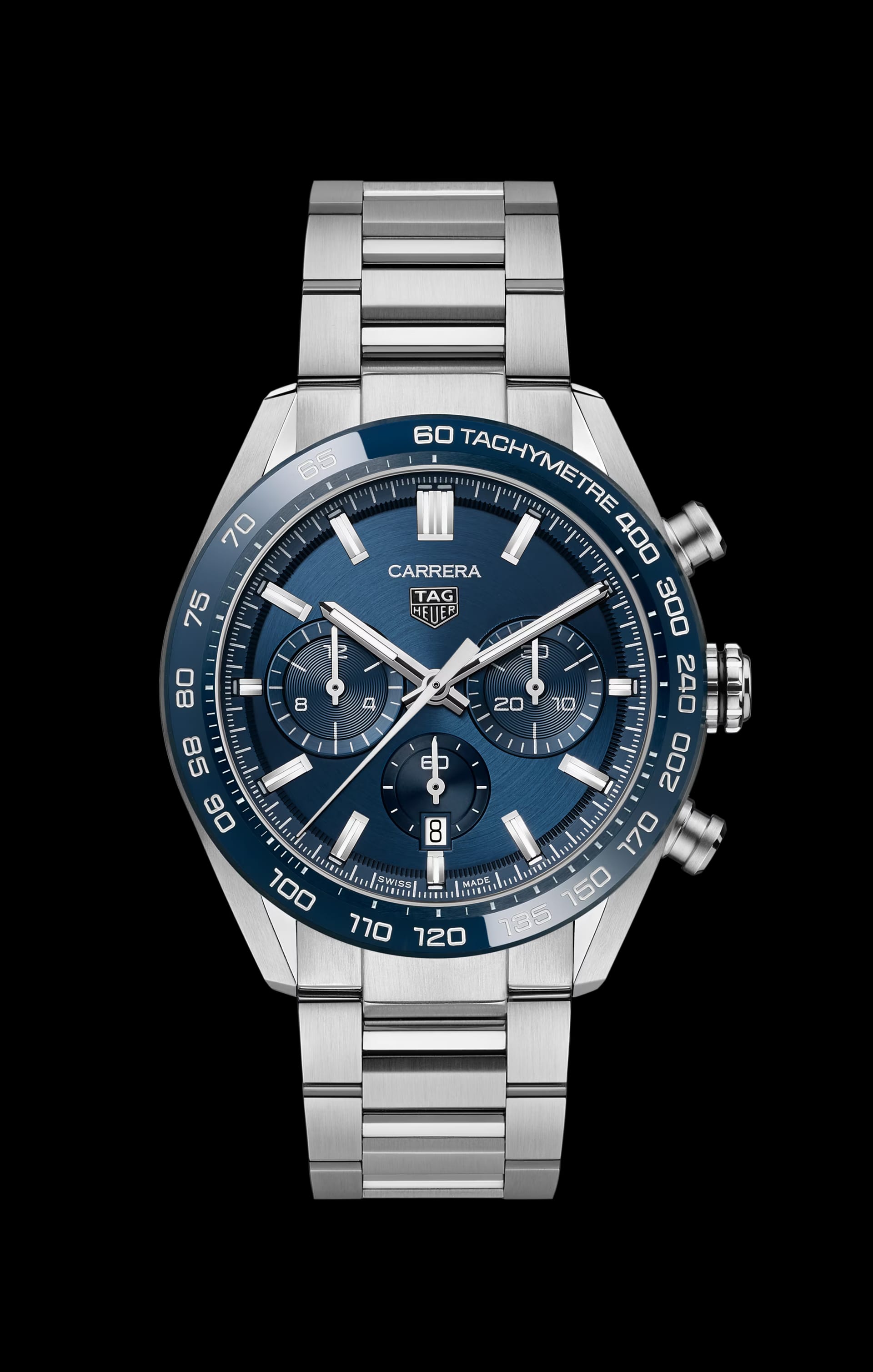
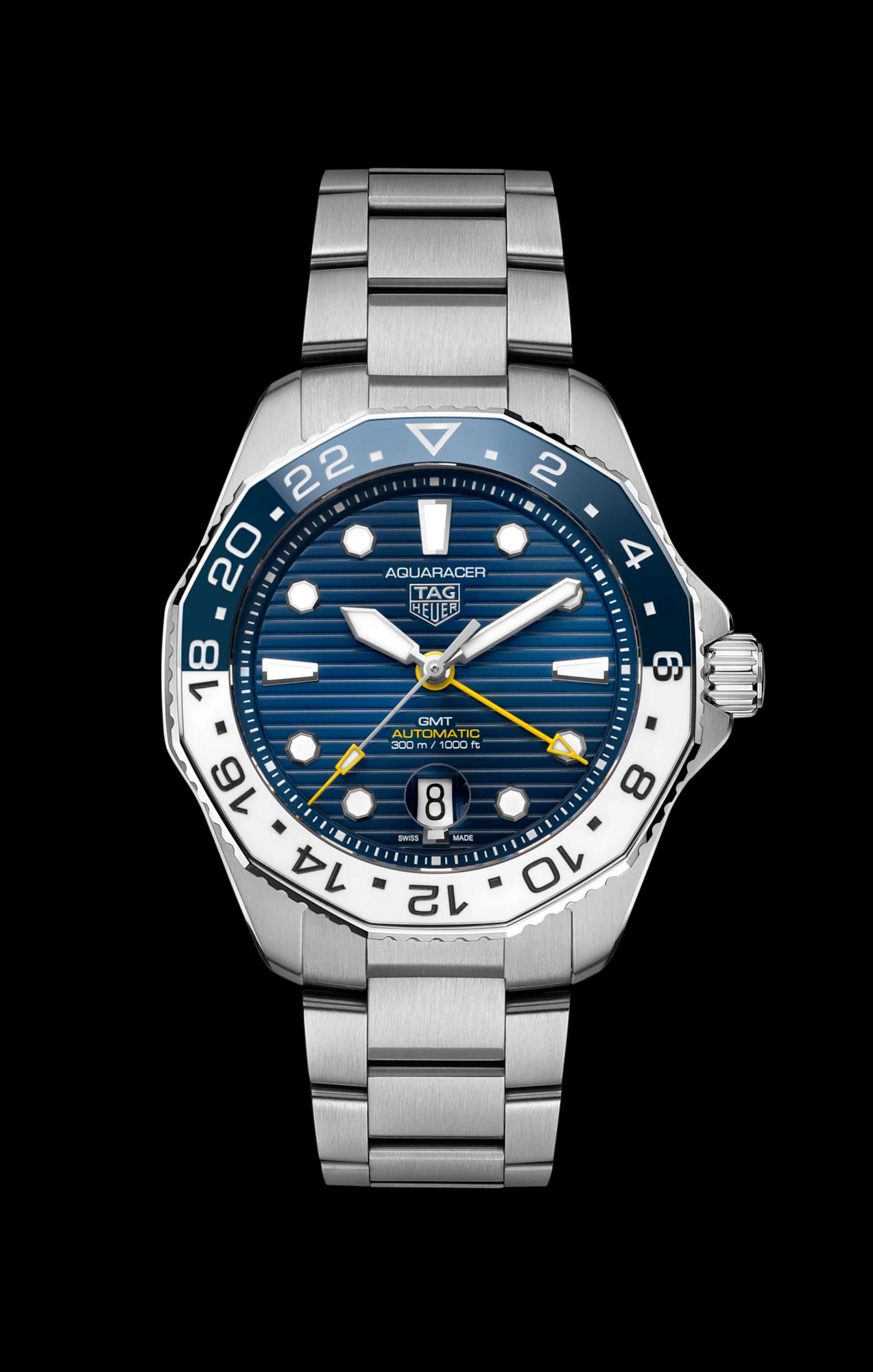
Compare Carrera for chronograph-led designs, Monaco for a square case, Aquaracer for dive-oriented references and Formula 1 for varied sporting options. Do not choose a movement by family name alone. Quartz, mechanical and Connected watches answer different expectations about convenience, service and long-term use.
Build your TAG Heuer shortlist
Make three shortlists if necessary: mechanical, quartz and Connected. Within mechanical or quartz, compare a simple display with a chronograph before choosing Carrera, Formula 1 or another family. For Connected, verify your phone and current app compatibility first, then size and finish. For any chronograph, ensure you can read the counters without bringing the watch close to your face. This keeps convenience, function and style visible as separate choices rather than allowing a familiar logo to hide the compromises.
Compare the watches as you would wear them
Try to compare shortlisted watches under the same conditions: similar lighting, the same camera distance and a properly adjusted strap or bracelet. A tightly cropped dial photograph and a wrist photograph are not equivalent evidence of size. If an in-person comparison is not possible, request measurements and a side view. Write down one advantage and one compromise for each finalist. This prevents a striking colour or a persuasive listing from obscuring the fit or function that motivated your search.
Once the reference is settled, compare the actual examples available rather than restarting the search by brand reputation. Confirm the condition, accessories and work that is documented, and ask what remains unknown. You should be able to explain why this particular watch suits your wrist and routine without relying on resale predictions. A clear choice is usually one whose important trade-offs you understand, not one with no trade-offs at all.
Put the information to work
Before choosing, write down your total budget including inspection, any immediate service and missing accessories. Request a wrist photograph and a complete condition description for the finalist. If the available listing does not answer an important question, clarify it rather than filling the gap with the specifications of a similar-looking model.
What to check on an individual watch
On a chronograph, inspect pusher operation and reset alignment; on a Connected, test charging, pairing and battery behaviour. Check the exact reference before ordering a replacement strap or clasp. A low purchase price can be outweighed by missing proprietary accessories or an unresolved fault.
References and further reading
Manufacturer documentation and independent sources behind the details discussed above. Technical specifications apply to the named reference, not automatically to every watch in a collection.