Grand Seiko / Watch journal
Grand Seiko Story
Spring Drive explains one technical thread; Snowflake and Shunbun reveal another in dial and case design. Both belong in Grand Seiko’s story.
Milestones that explain the collection
Grand Seiko introduced its 9R Spring Drive movement in 2004. Its combination of mainspring power and electronic regulation makes it different from both a conventional mechanical escapement and a battery-powered quartz watch. That difference matters more to ownership than the broad label “automatic”.
Sources: Grand Seiko; Grand Seiko; Grand Seiko
Movement character and dial character
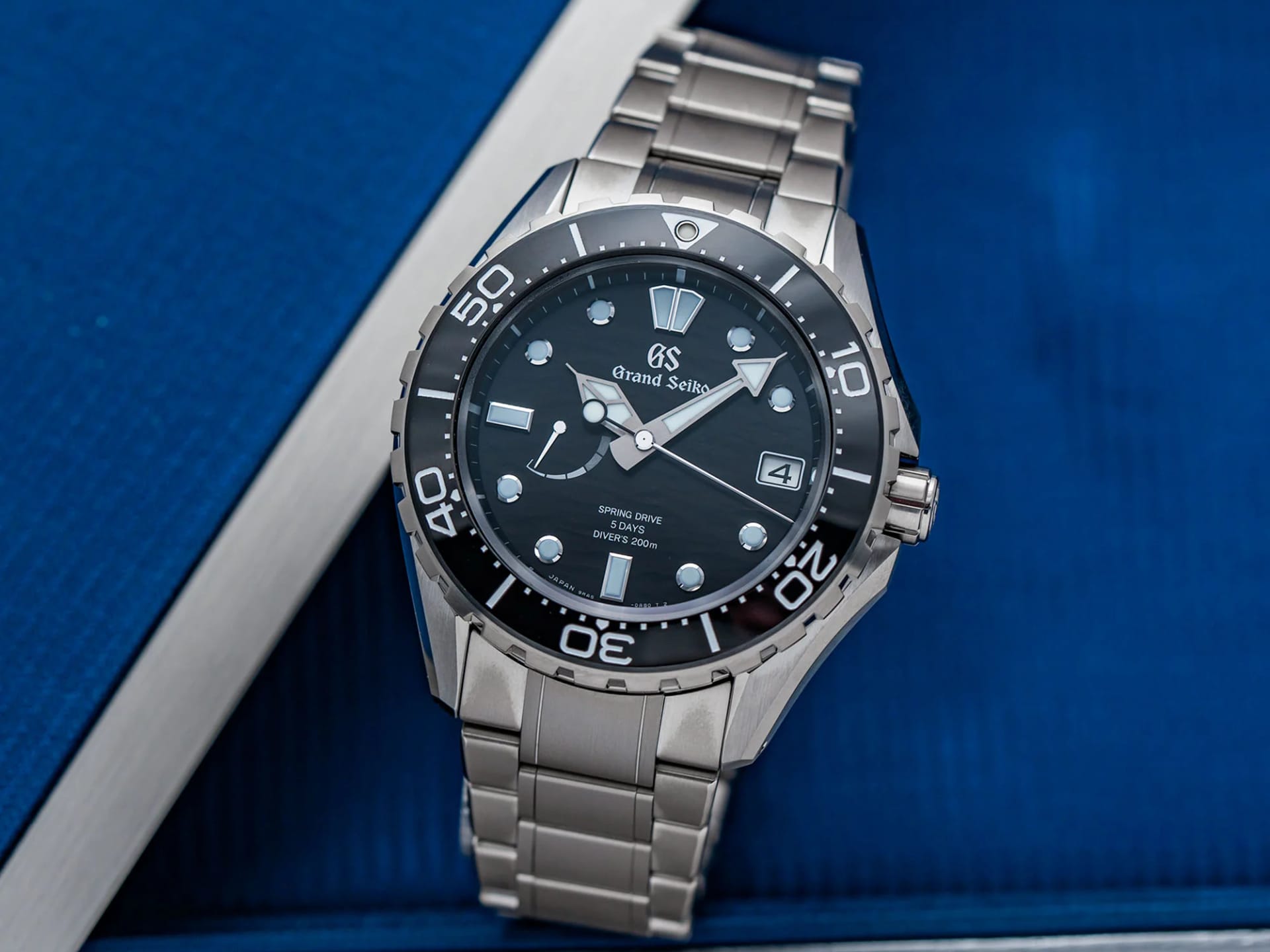
Spring Drive’s introduction to Grand Seiko in 2004 provides a clear technical chapter in the brand’s story. The combination of mainspring power and electronic regulation is deliberately different from both an ordinary quartz drive and a conventional mechanical escapement. That difference can be seen directly in the seconds hand. It is a useful example of why a watch’s movement should be described by how it works, not forced into a simplified ranking where one broad category is always superior.
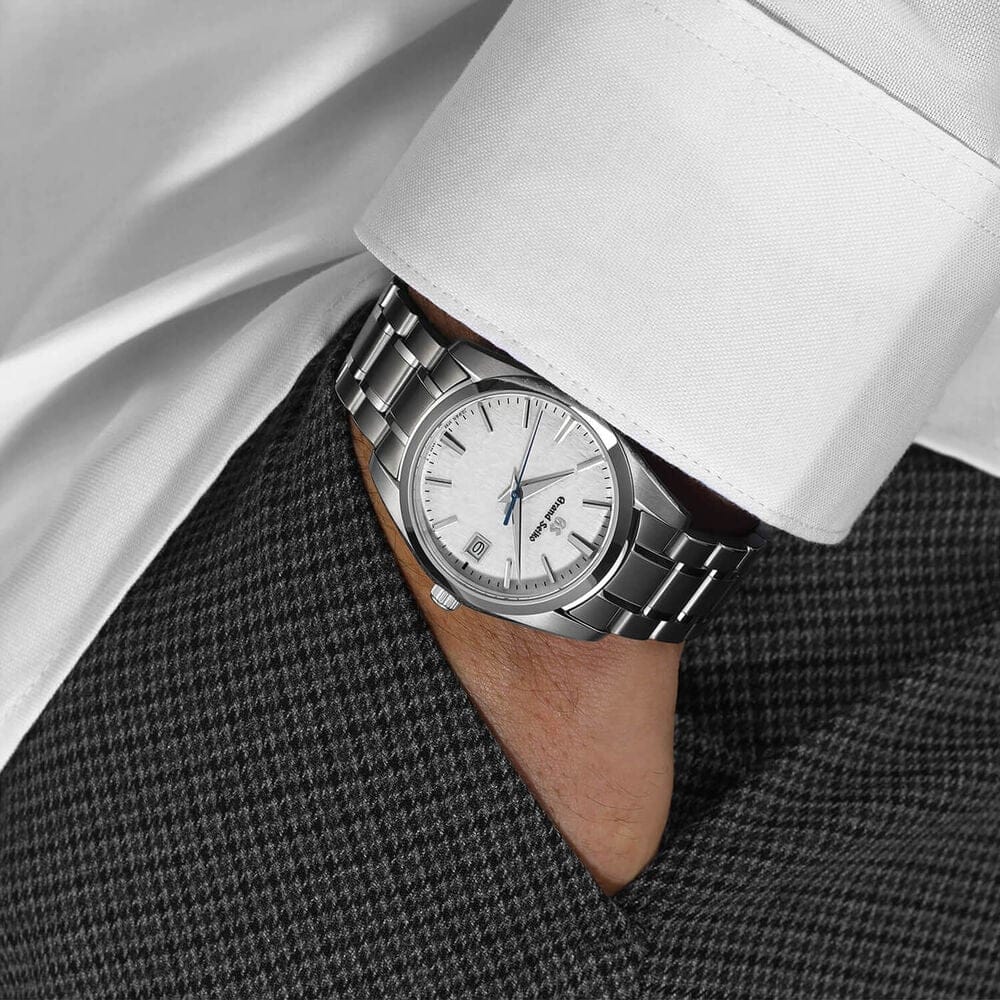
The Snowflake SBGA211 and Shunbun SBGA413 demonstrate another strand: dial texture and case shape can give two watches with the same 9R65 calibre a different character. Their nicknames are helpful shorthand, but they are not reference numbers. The Snowflake’s white surface and Shunbun’s pink-toned treatment should be viewed under ordinary lighting, not only dramatic close-up photography. Understanding the distinction between mechanism, case and dial lets a buyer appreciate each part without expecting one popular nickname to describe them all.
Sources: Grand Seiko; Grand Seiko; Grand Seiko
Read the history through the watch
A brand history is most useful when it helps explain the watch in front of you. Separate a collection’s first appearance from the production date of a particular reference. A familiar name can continue through major changes in construction, movement and proportions.
A modern heritage model may quote an older dial or case without reproducing its original mechanism or dimensions. That can be an advantage for everyday ownership. Conversely, a vintage watch may preserve period character while demanding more careful handling and specialist servicing. Neither is automatically the more authentic expression of your personal taste.
How this applies to Grand Seiko
Choose the movement experience before the dial nickname: consider winding habits, precision expectations and whether you enjoy a gliding seconds hand. Snowflake and Shunbun then offer distinct case shapes and dial treatments. Compare actual reference dimensions rather than assuming every light-coloured Grand Seiko wears the same.
Put the information to work
Use the manufacturer’s chronology to establish context, then verify the actual reference, case and movement. Ask whether dial, hands and bracelet are period-correct, later manufacturer replacements or aftermarket parts. Provenance should describe the individual watch; an evocative story about the brand cannot substitute for it.
What to check on an individual watch
Ask for photographs in diffuse daylight as well as direct light; textured dials can change dramatically with lighting. Examine polished surfaces for dents and uneven refinishing, and confirm spare bracelet links. Keep a nickname, a reference number and a regional model code separate when matching documents to a listing.
References and further reading
Manufacturer documentation and independent sources behind the details discussed above. Technical specifications apply to the named reference, not automatically to every watch in a collection.