Jaeger-LeCoultre / Watch journal
Jaeger-LeCoultre Story
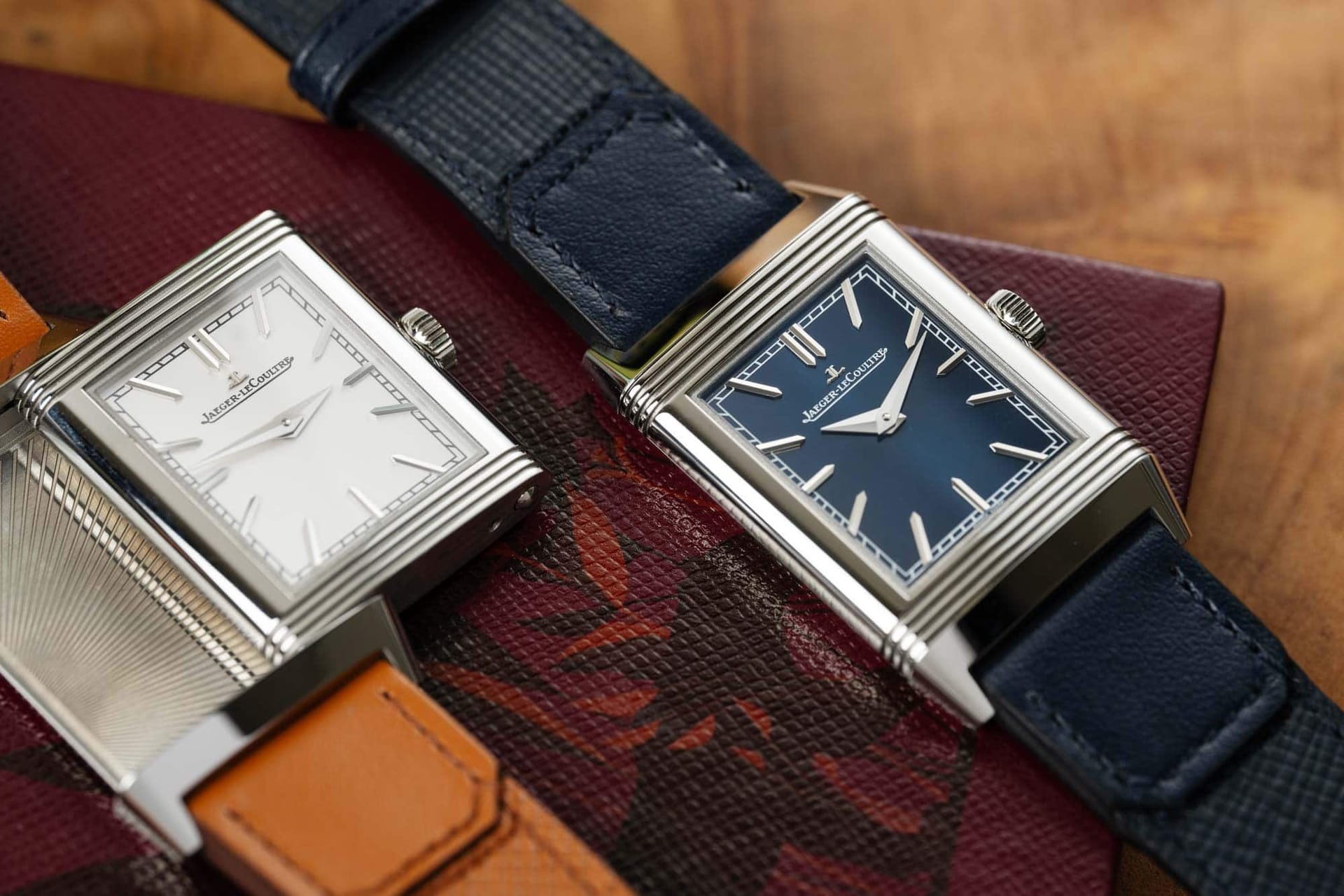
The Reverso case and Duoface display arrived in different chapters. Alongside Master Control, they show several approaches to design and function.
Milestones that explain the collection
The Reverso originated in 1931; the Duoface concept arrived in 1994, using two faces for different time displays. This is not the same as every reversible case containing two dials. Jaeger-LeCoultre’s round Master Control watches follow a separate design and testing story.
Sources: Jaeger-LeCoultre; Jaeger-LeCoultre
A reversible case with more than one purpose
The Reverso’s 1931 origin and the Duoface concept introduced in 1994 should be read as separate stages. A reversible case is a physical construction; a second dial with another time display is a particular use of that construction. Confusing the two makes it easy to describe a single-face Reverso incorrectly or assume that every two-sided model has the same functions. The pleasure of the design is partly in this interaction between the carrier, the turning case and what each side reveals.
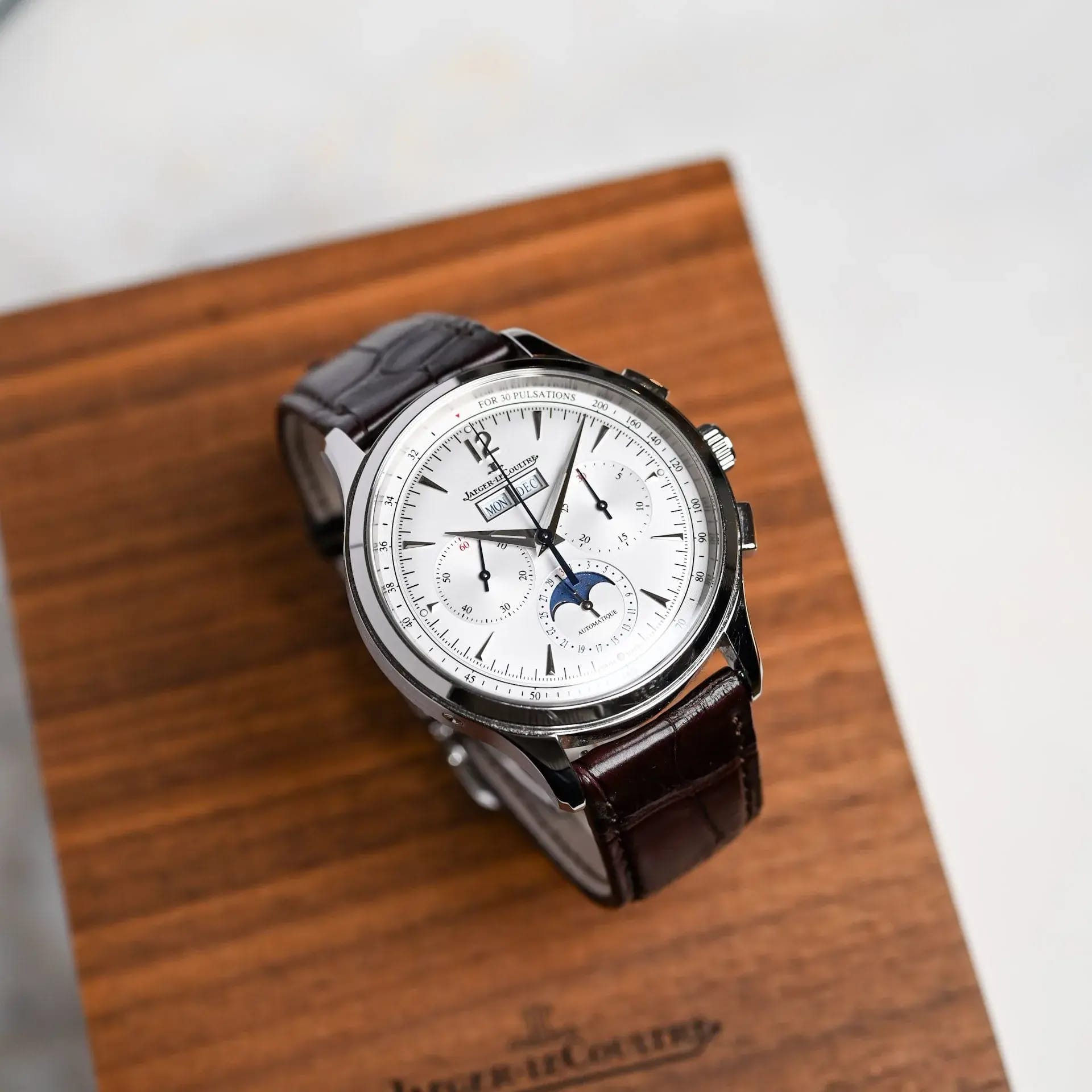
Master Control offers another way into Jaeger-LeCoultre, with a round-case identity and its own testing story. The manufacturer’s 1,000 Hours Control and the HPG language of the newer Master Control Chronometre generation belong to specific contexts. They should not become a blanket claim on every pre-owned Master watch. The useful approach to the brand’s history is therefore to connect a design or technical development to an identifiable watch, rather than treating every collection as an expression of the same specification.
Sources: Jaeger-LeCoultre; Jaeger-LeCoultre
Read the history through the watch
A brand history is most useful when it helps explain the watch in front of you. Separate a collection’s first appearance from the production date of a particular reference. A familiar name can continue through major changes in construction, movement and proportions.
A modern heritage model may quote an older dial or case without reproducing its original mechanism or dimensions. That can be an advantage for everyday ownership. Conversely, a vintage watch may preserve period character while demanding more careful handling and specialist servicing. Neither is automatically the more authentic expression of your personal taste.
How this applies to Jaeger-LeCoultre
For a Reverso, compare case length, thickness and the reversing mechanism, not just width. A simple single-face watch, Duoface travel watch and calendar model solve different needs. For Master models, decide which complication you will use before accepting the extra dial information and servicing complexity.
Put the information to work
Use the manufacturer’s chronology to establish context, then verify the actual reference, case and movement. Ask whether dial, hands and bracelet are period-correct, later manufacturer replacements or aftermarket parts. Provenance should describe the individual watch; an evocative story about the brand cannot substitute for it.
What to check on an individual watch
Check the Reverso carrier and locking action, engraving or refinishing on the reverse, and the correct clasp. For complicated models, ask for each function to be demonstrated. Distinguish vintage examples from modern reissues and collection names; an old-looking dial is not proof of an early production date.
References and further reading
Manufacturer documentation and independent sources behind the details discussed above. Technical specifications apply to the named reference, not automatically to every watch in a collection.