Omega / Watch journal
The Omega Story
Omega’s collection names and technical labels tell different stories. Separating them helps explain both older references and modern developments.
Milestones that explain the collection
Omega’s modern technical story includes the adoption of the Co-Axial escapement and, from 2015, Master Chronometer certification. These developments describe different things: one concerns movement architecture, the other a testing framework. Neither label should be assumed to apply to every older Omega.
Design families and technical labels tell different stories
Omega’s catalogue is easier to understand when the family name and the technical inscription are read separately. Speedmaster identifies a broad chronograph-led tradition; Seamaster contains several very different water-associated and everyday designs. Co-Axial describes a feature of movement architecture, while Master Chronometer concerns testing. The same technical language can therefore appear in watches with very different appearances and purposes. Conversely, two watches with the same family name can belong to different technical generations.
The introduction of Master Chronometer certification in 2015 is one concrete marker in that modern development. It provides a way to discuss complete-watch testing without assuming that older examples were assessed under the same framework. For buyers, the historical question becomes practical: which generation supplies the combination of case, bracelet, crystal and movement you want? The most recently introduced technology is one consideration, but it does not automatically outweigh the proportions or character of an earlier reference.
Read the history through the watch
A brand history is most useful when it helps explain the watch in front of you. Separate a collection’s first appearance from the production date of a particular reference. A familiar name can continue through major changes in construction, movement and proportions.
A modern heritage model may quote an older dial or case without reproducing its original mechanism or dimensions. That can be an advantage for everyday ownership. Conversely, a vintage watch may preserve period character while demanding more careful handling and specialist servicing. Neither is automatically the more authentic expression of your personal taste.
How this applies to Omega
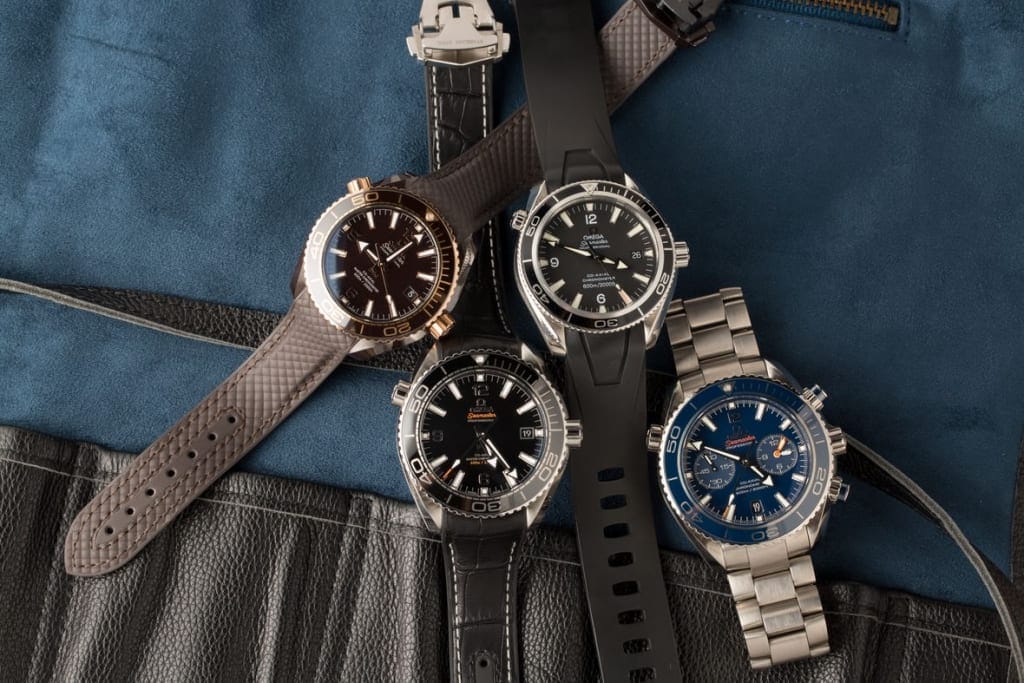
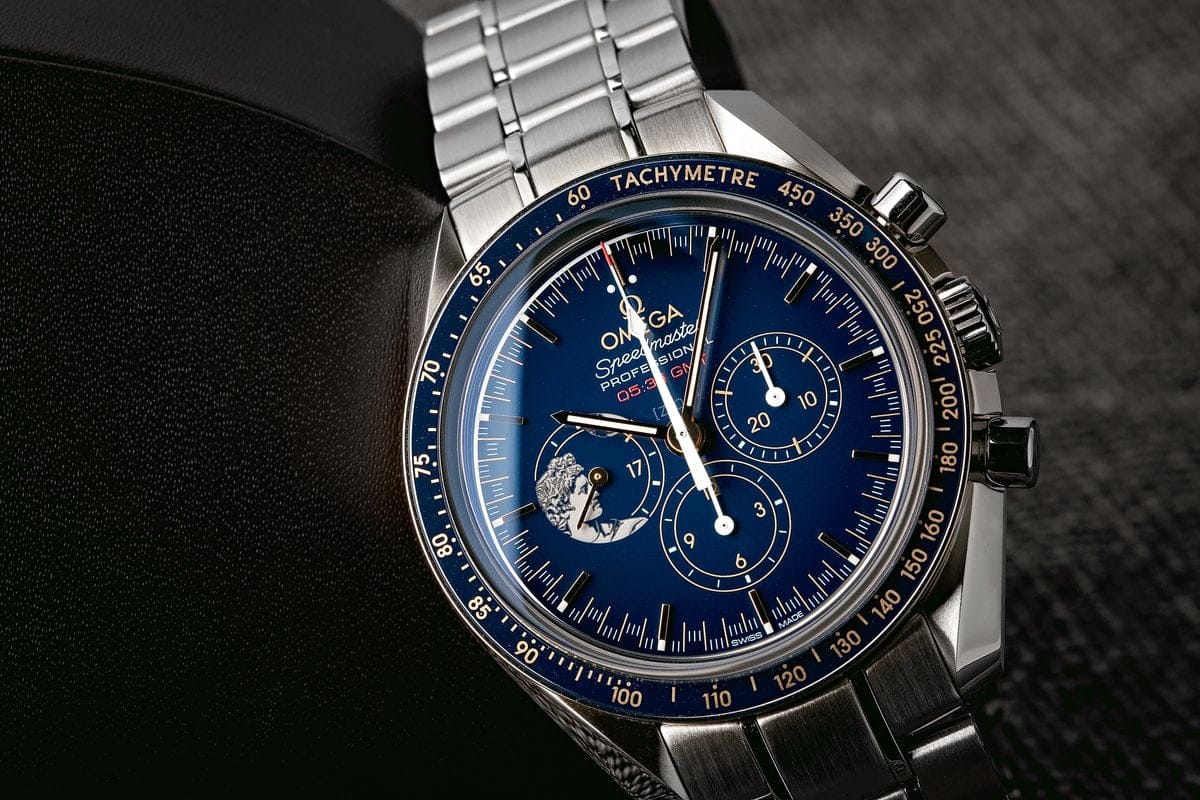
Use the Speedmaster range when comparing chronographs, and distinguish the Moonwatch from other Speedmaster movements and sizes. Within Seamaster, a Diver 300M, Planet Ocean and Aqua Terra are not interchangeable buying choices. The Aqua Terra can suit a less overtly sporting wardrobe, while Constellation and De Ville broaden the dressier options.
Put the information to work
Use the manufacturer’s chronology to establish context, then verify the actual reference, case and movement. Ask whether dial, hands and bracelet are period-correct, later manufacturer replacements or aftermarket parts. Provenance should describe the individual watch; an evocative story about the brand cannot substitute for it.
What to check on an individual watch
Ask for the complete reference, not just “Seamaster” or “Moonwatch”. Check bezel operation, chronograph reset alignment where fitted, bracelet fit and recorded service work. Sapphire and acrylic crystals, different movements and bracelet generations can materially alter the ownership experience even when photographs look similar.
References and further reading
Manufacturer documentation and independent sources behind the details discussed above. Technical specifications apply to the named reference, not automatically to every watch in a collection.