Panerai / Watch journal
Panerai Story
Naval instruments, the crown-protection bridge and civilian collections are distinct Panerai chapters. Their visual legacy does not make every reference identical.
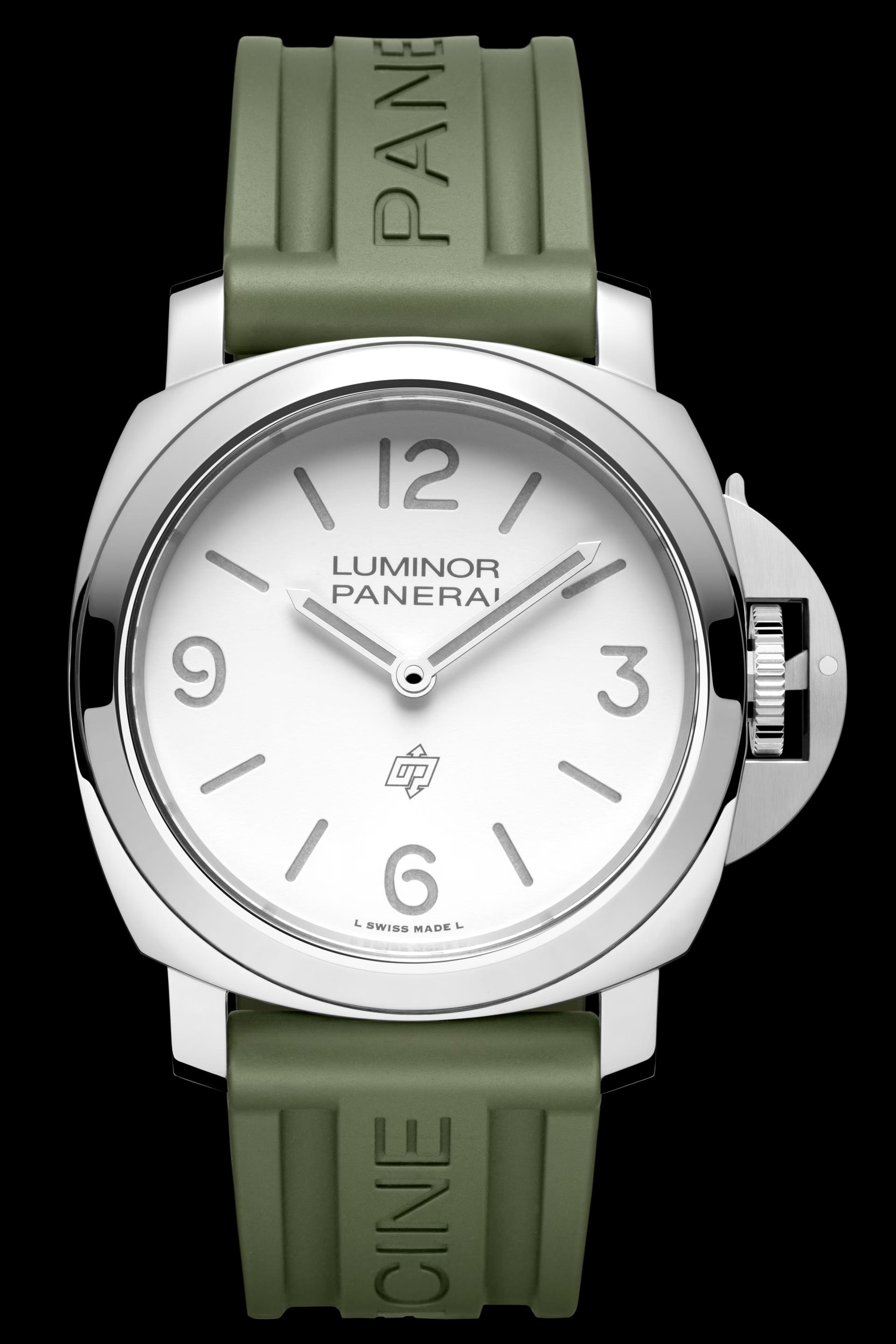
Milestones that explain the collection
Panerai’s history links naval instruments with the Radiomir and Luminor designs; the crown-protection bridge was patented in 1956. Civilian collections arrived in 1993. Historical design cues remain visible, but today’s case sizes, movements and water-resistance specifications cannot be inferred from a military origin.
Sources: Panerai
From specialised instruments to civilian wristwatches
Panerai’s naval-instrument background helps explain the prominence of case outline, crown protection and highly visible dial forms in its identity. The crown-protection bridge patented in 1956 is a specific historical development, not a generic feature of all cushion-shaped watches. The arrival of civilian collections in 1993 marks another distinct chapter. A modern watch can quote that visual language without reproducing the construction, movement or intended service of an early instrument.
Radiomir, Luminor and Submersible are useful names because they direct attention to different case and bezel ideas. They become less useful when treated as complete specifications. A Radiomir’s lug construction can vary, a Luminor name does not settle the winding system, and a Submersible’s actual reference determines its dimensions. History should help you notice those details, not replace the reference-level information needed to choose a comfortable watch and understand its care requirements.
Sources: Panerai
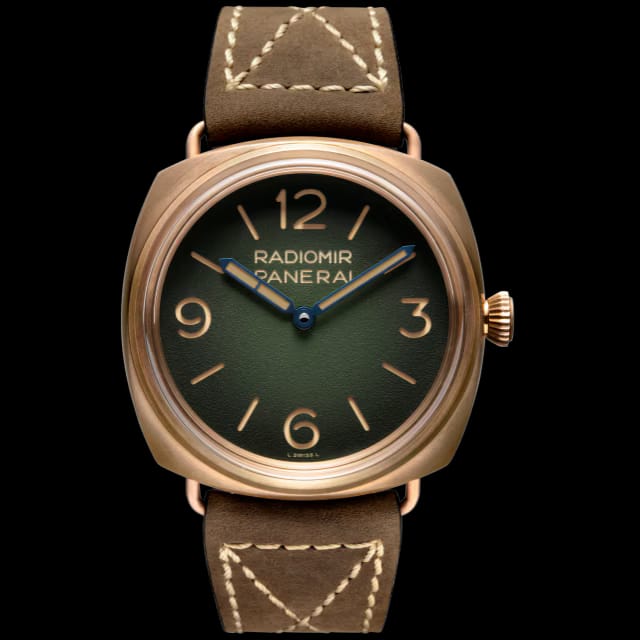
Read the history through the watch
A brand history is most useful when it helps explain the watch in front of you. Separate a collection’s first appearance from the production date of a particular reference. A familiar name can continue through major changes in construction, movement and proportions.
A modern heritage model may quote an older dial or case without reproducing its original mechanism or dimensions. That can be an advantage for everyday ownership. Conversely, a vintage watch may preserve period character while demanding more careful handling and specialist servicing. Neither is automatically the more authentic expression of your personal taste.
How this applies to Panerai
Luminor’s crown bridge, Radiomir’s different crown-and-case outline and Submersible’s rotating timing bezel give useful starting points. Luminor Due is not simply another diving specification. Try the lug span and strap curvature: a nominal diameter does not capture how a cushion-shaped watch sits on a wrist.
Put the information to work
Use the manufacturer’s chronology to establish context, then verify the actual reference, case and movement. Ask whether dial, hands and bracelet are period-correct, later manufacturer replacements or aftermarket parts. Provenance should describe the individual watch; an evocative story about the brand cannot substitute for it.
What to check on an individual watch
Use the PAM reference to verify size, movement and functions. Inspect strap-change screw heads, crown protection where fitted, and the included buckle. “8 Days”, “Destro” and “Marina” describe different features; none of these names alone supplies the complete reference or confirms its condition.
References and further reading
Manufacturer documentation and independent sources behind the details discussed above. Technical specifications apply to the named reference, not automatically to every watch in a collection.