Patek Philippe / Watch journal
The Patek Philippe Story
Nautilus and Aquanaut are chapters in a much broader catalogue. Explore how sports-watch design and complicated watchmaking coexist at Patek Philippe.
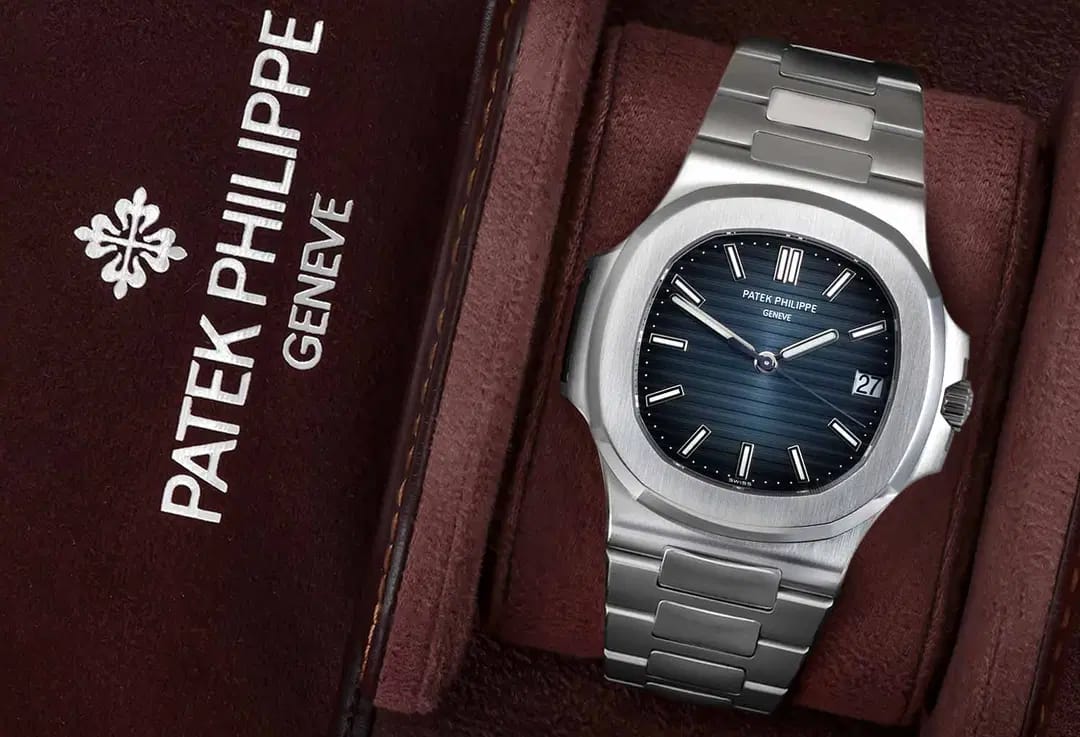
Milestones that explain the collection
The Nautilus entered Patek Philippe’s collection in 1976; the Aquanaut followed in 1997. These sports-oriented designs sit beside shaped dress watches and calendar complications, rather than defining the entire manufacture. Understanding that breadth helps avoid equating Patek Philippe exclusively with two highly visible names.
Sources: Patek Philippe; Patek Philippe; Patek Philippe
Two sports-watch designs within a wider tradition
The 1976 Nautilus is a useful turning point because it places a recognisable sports-oriented case and bracelet within a house also associated with dress watches and complications. The Aquanaut’s 1997 introduction took another direction: its rounded octagonal case and pattern linking dial to strap created a more strap-led visual identity. They share a place in the same collection without being interchangeable designs, and their popularity should not erase the distinct appeal of Calatrava, Golden Ellipse or shaped watches.
Patek Philippe’s catalogue also shows how a familiar outline can accommodate very different mechanisms. A simple display, travel-time indication, calendar or chronograph changes not only the dial but the owner’s interaction with the watch. Reading that evolution through references is more useful than treating all sports models as one category and all dress models as another. The historical family provides context; the actual calibre, setting method and dimensions establish what the watch is like to own.
Sources: Patek Philippe; Patek Philippe; Patek Philippe
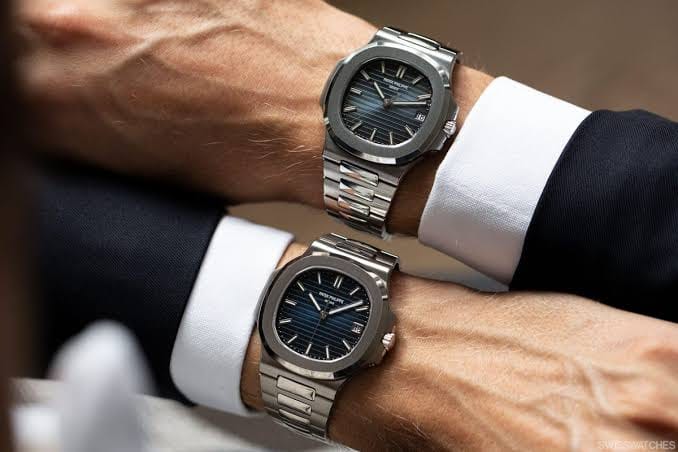
Read the history through the watch
A brand history is most useful when it helps explain the watch in front of you. Separate a collection’s first appearance from the production date of a particular reference. A familiar name can continue through major changes in construction, movement and proportions.
A modern heritage model may quote an older dial or case without reproducing its original mechanism or dimensions. That can be an advantage for everyday ownership. Conversely, a vintage watch may preserve period character while demanding more careful handling and specialist servicing. Neither is automatically the more authentic expression of your personal taste.
How this applies to Patek Philippe
A Calatrava belongs on a shortlist for restrained dress-watch proportions; Nautilus and Aquanaut appeal for their distinctive case and strap or bracelet combinations. For Complications and Grand Complications, choose the function first, then check how it is set and serviced. Do not assume every Patek is automatic: movement type is a reference-level fact.
Put the information to work
Use the manufacturer’s chronology to establish context, then verify the actual reference, case and movement. Ask whether dial, hands and bracelet are period-correct, later manufacturer replacements or aftermarket parts. Provenance should describe the individual watch; an evocative story about the brand cannot substitute for it.
What to check on an individual watch
Check bracelet length, fitted strap length, original clasp and the exact paperwork before comparing prices. A cut strap or missing integrated-bracelet links can create a meaningful replacement expense. For calendar watches, request a functional demonstration by someone familiar with the calibre instead of experimenting with correctors yourself.
References and further reading
Manufacturer documentation and independent sources behind the details discussed above. Technical specifications apply to the named reference, not automatically to every watch in a collection.