Patek Philippe / Watch journal
Which Patek Philippe to Buy?
From a restrained Calatrava to a calendar complication, choose the Patek Philippe whose design and setting routine suit your life.
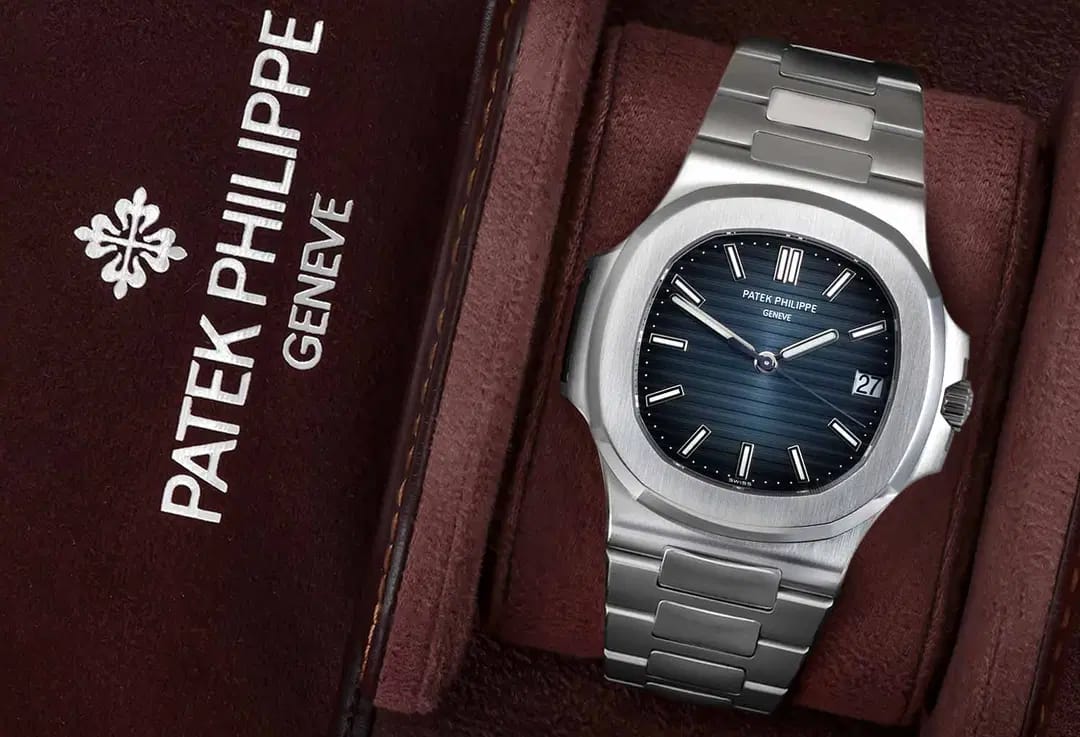
Choose for your wrist and routine
The right watch is the one whose size, functions and ownership demands suit you—not necessarily the model attracting the most attention. Start with three decisions: when you will wear it, which display you need and how much maintenance you are comfortable arranging.
Build a shortlist of three exact references, not three broad brand names. Compare diameter, thickness, length across the lugs, bracelet adjustment and readability. A date, second time zone or stopwatch should earn its place on the dial through actual use. More complications do not automatically make a better everyday watch.
How this applies to Patek Philippe
A Calatrava belongs on a shortlist for restrained dress-watch proportions; Nautilus and Aquanaut appeal for their distinctive case and strap or bracelet combinations. For Complications and Grand Complications, choose the function first, then check how it is set and serviced. Do not assume every Patek is automatic: movement type is a reference-level fact.
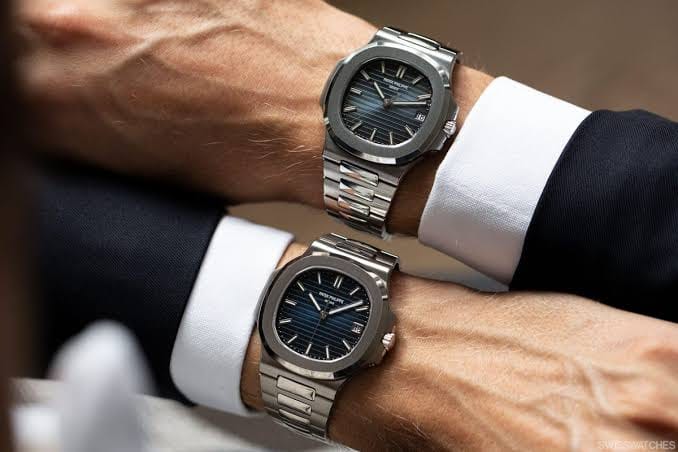
Build your Patek Philippe shortlist
Start with whether you want the watch to be understated, bracelet-led, strap-led or mechanically elaborate. A Calatrava can answer the first preference without needing to compete with a Nautilus on popularity. For Aquanaut, check the fitted strap before comparing dial colours: a cut strap may not suit your wrist. With a calendar complication, ask yourself whether setting it after periods off the wrist will be enjoyable. Buy the configuration whose proportions and routine you appreciate, then assess the individual example’s documentation and condition.
Compare the watches as you would wear them
Try to compare shortlisted watches under the same conditions: similar lighting, the same camera distance and a properly adjusted strap or bracelet. A tightly cropped dial photograph and a wrist photograph are not equivalent evidence of size. If an in-person comparison is not possible, request measurements and a side view. Write down one advantage and one compromise for each finalist. This prevents a striking colour or a persuasive listing from obscuring the fit or function that motivated your search.
Once the reference is settled, compare the actual examples available rather than restarting the search by brand reputation. Confirm the condition, accessories and work that is documented, and ask what remains unknown. You should be able to explain why this particular watch suits your wrist and routine without relying on resale predictions. A clear choice is usually one whose important trade-offs you understand, not one with no trade-offs at all.
Put the information to work
Before choosing, write down your total budget including inspection, any immediate service and missing accessories. Request a wrist photograph and a complete condition description for the finalist. If the available listing does not answer an important question, clarify it rather than filling the gap with the specifications of a similar-looking model.
What to check on an individual watch
Check bracelet length, fitted strap length, original clasp and the exact paperwork before comparing prices. A cut strap or missing integrated-bracelet links can create a meaningful replacement expense. For calendar watches, request a functional demonstration by someone familiar with the calibre instead of experimenting with correctors yourself.
References and further reading
Manufacturer documentation and independent sources behind the details discussed above. Technical specifications apply to the named reference, not automatically to every watch in a collection.