TAG Heuer / Watch journal
TAG Heuer Story
Carrera, Formula 1 and Connected represent different chapters in interacting with time—not one movement type repeated under several names.
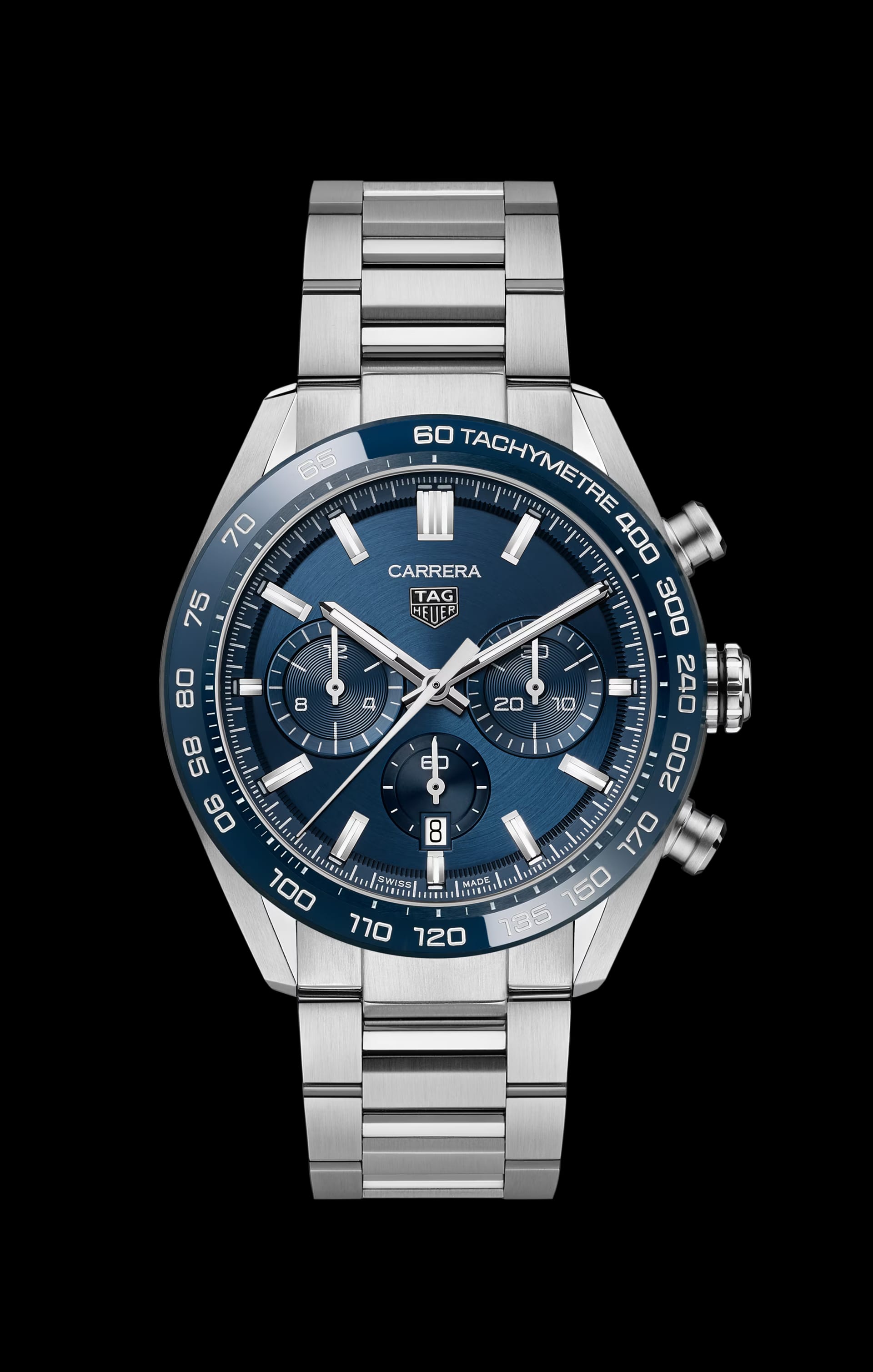
Milestones that explain the collection
The Carrera was introduced in 1963 and Formula 1 in 1986. These names span many generations rather than a single movement specification. Connected is a separate digital proposition: its software, battery and phone compatibility require a different buying checklist from a mechanical Carrera.
Timing traditions and connected technology
Carrera’s 1963 beginning and Formula 1’s 1986 arrival represent different chapters within TAG Heuer’s timing-led identity. Familiar names have continued while case sizes, movements and wearing preferences have changed. That is why a current Carrera and an older Carrera should not be collapsed into one generic specification. Nor is Formula 1 simply a synonym for one movement type. Use the historical name to find the family, then the reference to establish the watch.
Connected adds a genuinely different ownership model rather than just another dial style. The Calibre E5 uses TAG Heuer OS and the manufacturer’s Connected app, so software compatibility and battery support become part of the buying decision. This is not the same checklist as for a mechanical chronograph. Looking across those collections shows a broad approach to wearing and interacting with time: the right choice depends on which interaction you value, not on forcing electronic and mechanical watches into a single prestige scale.
Sources: TAG Heuer; TAG Heuer; TAG Heuer
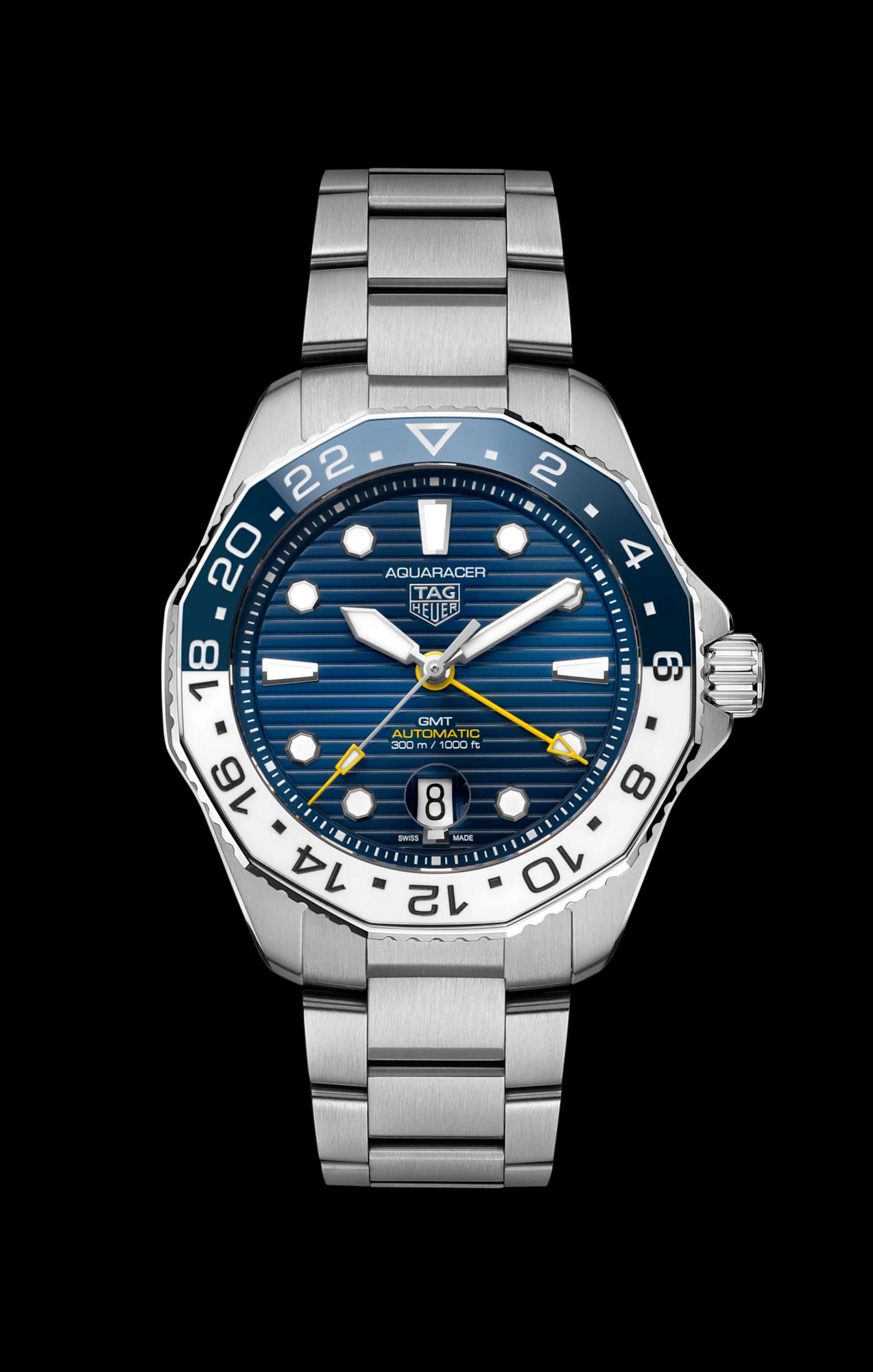
Read the history through the watch
A brand history is most useful when it helps explain the watch in front of you. Separate a collection’s first appearance from the production date of a particular reference. A familiar name can continue through major changes in construction, movement and proportions.
A modern heritage model may quote an older dial or case without reproducing its original mechanism or dimensions. That can be an advantage for everyday ownership. Conversely, a vintage watch may preserve period character while demanding more careful handling and specialist servicing. Neither is automatically the more authentic expression of your personal taste.
How this applies to TAG Heuer
Compare Carrera for chronograph-led designs, Monaco for a square case, Aquaracer for dive-oriented references and Formula 1 for varied sporting options. Do not choose a movement by family name alone. Quartz, mechanical and Connected watches answer different expectations about convenience, service and long-term use.
Put the information to work
Use the manufacturer’s chronology to establish context, then verify the actual reference, case and movement. Ask whether dial, hands and bracelet are period-correct, later manufacturer replacements or aftermarket parts. Provenance should describe the individual watch; an evocative story about the brand cannot substitute for it.
What to check on an individual watch
On a chronograph, inspect pusher operation and reset alignment; on a Connected, test charging, pairing and battery behaviour. Check the exact reference before ordering a replacement strap or clasp. A low purchase price can be outweighed by missing proprietary accessories or an unresolved fault.
References and further reading
Manufacturer documentation and independent sources behind the details discussed above. Technical specifications apply to the named reference, not automatically to every watch in a collection.