Tudor / Watch journal
Tudor Story
Tudor’s trademark and company have distinct starting dates. Its modern Black Bay and Pelagos families add separate design identities to those origins.
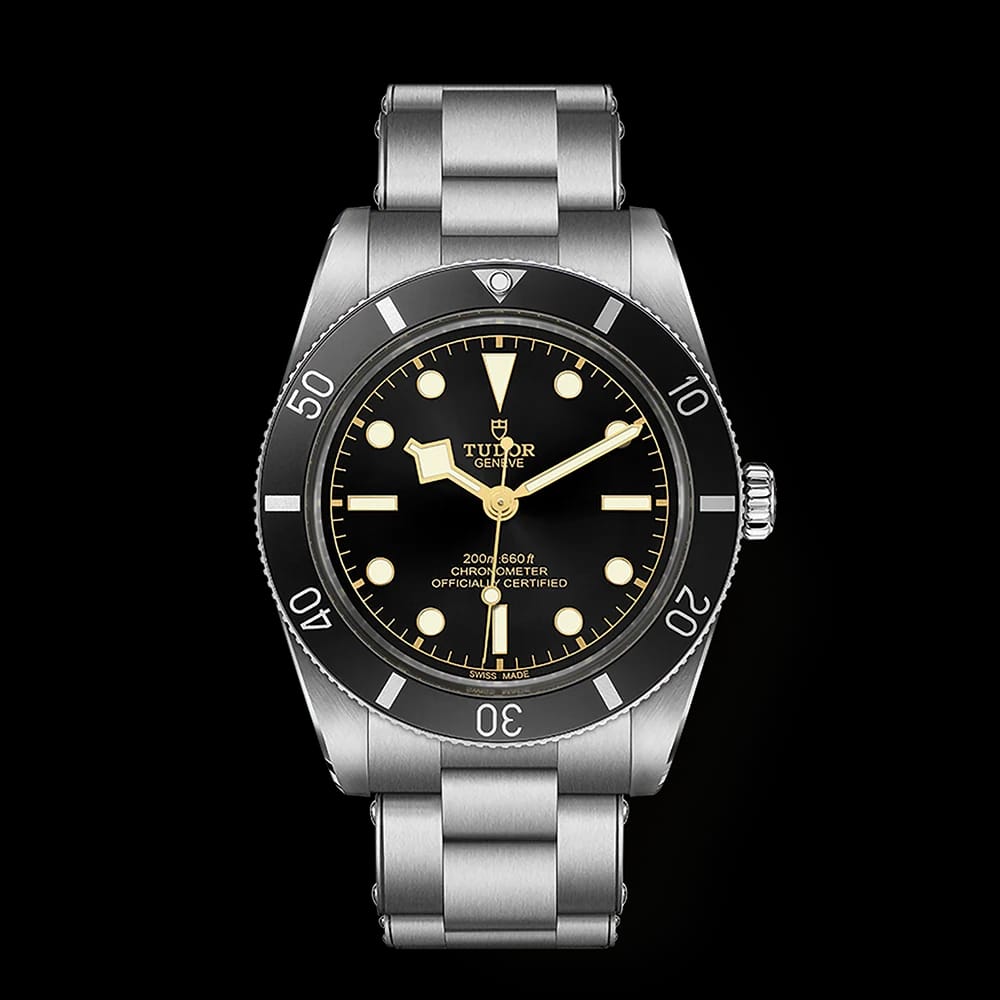
Milestones that explain the collection
The Tudor trademark was registered for Hans Wilsdorf in 1926; Montres Tudor S.A. was established in 1946. These are separate milestones, not contradictory founding dates. Modern Black Bay and Pelagos families should be judged on their own references rather than as substitutes with one universal specification.
A separate identity within a familiar origin story
The distinction between the Tudor trademark’s 1926 registration and the establishment of Montres Tudor S.A. in 1946 helps make sense of anniversary language. A brand name, a company and a particular collection need not begin on the same date. That is more than a historical footnote: a modern watch’s anniversary theme does not establish that its design or movement has existed unchanged for that entire period.
Today, Black Bay’s heritage-led styling and Pelagos’s more technical diving direction give buyers two different starting points. The families themselves continue to branch into variants, including travel-time displays, chronographs and distinct strap arrangements. Tudor is therefore best understood through those actual design choices rather than only its relationship to another watch brand. For a pre-owned purchase, establish the generation and exact reference before using a current family page to interpret the listing.
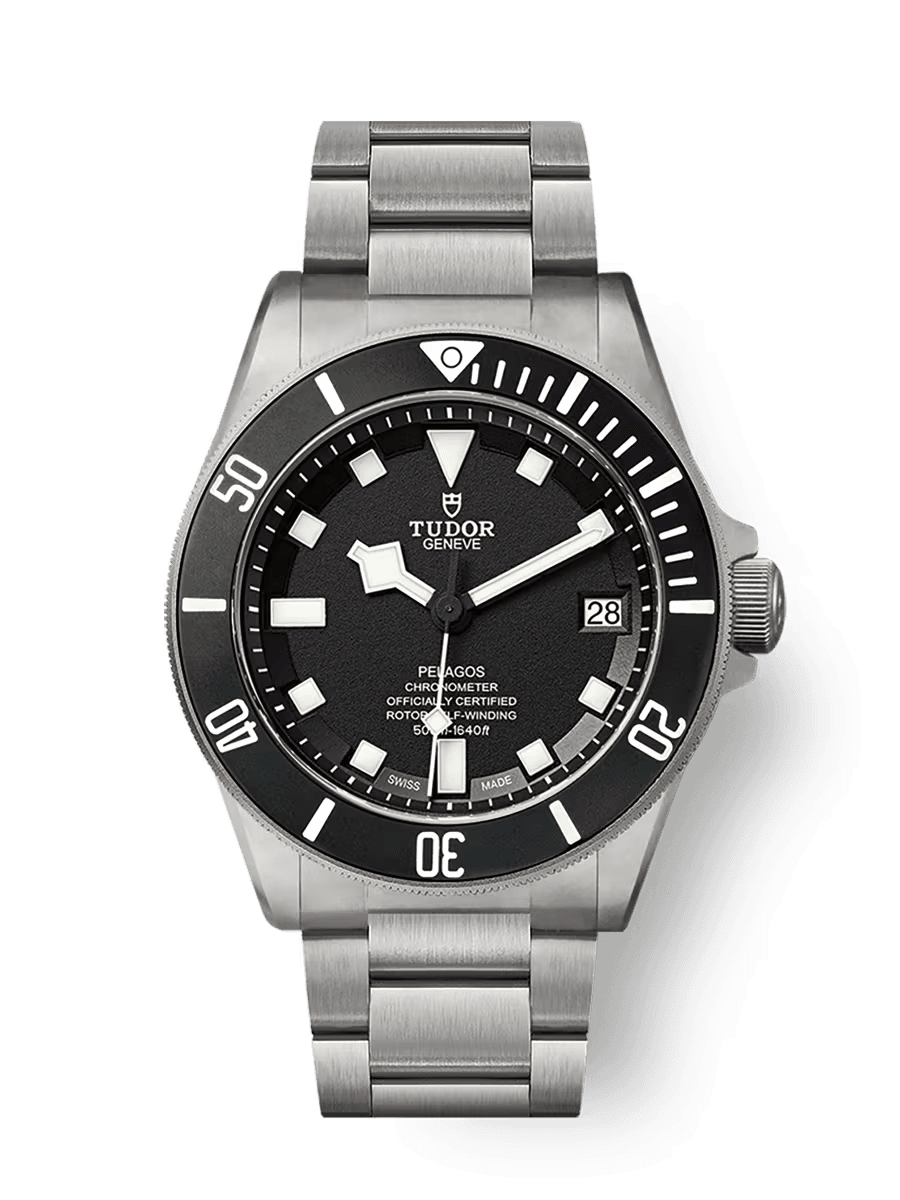
Read the history through the watch
A brand history is most useful when it helps explain the watch in front of you. Separate a collection’s first appearance from the production date of a particular reference. A familiar name can continue through major changes in construction, movement and proportions.
A modern heritage model may quote an older dial or case without reproducing its original mechanism or dimensions. That can be an advantage for everyday ownership. Conversely, a vintage watch may preserve period character while demanding more careful handling and specialist servicing. Neither is automatically the more authentic expression of your personal taste.
How this applies to Tudor
Black Bay offers heritage-led designs across several functions; Pelagos provides a more explicitly technical diving focus, with significant differences between versions. Royal, 1926 and Ranger widen the choice beyond a rotating dive bezel. Decide whether you want a bracelet, fabric strap or rubber before comparing case dimensions.
Put the information to work
Use the manufacturer’s chronology to establish context, then verify the actual reference, case and movement. Ask whether dial, hands and bracelet are period-correct, later manufacturer replacements or aftermarket parts. Provenance should describe the individual watch; an evocative story about the brand cannot substitute for it.
What to check on an individual watch
Identify the reference and movement generation, then check bezel action, clasp adjustment and included straps. Fixed-bar FXD models need suitable pass-through straps rather than an assumption of standard bracelet compatibility. Certification, size and depth rating must all be confirmed for the actual watch.
References and further reading
Manufacturer documentation and independent sources behind the details discussed above. Technical specifications apply to the named reference, not automatically to every watch in a collection.